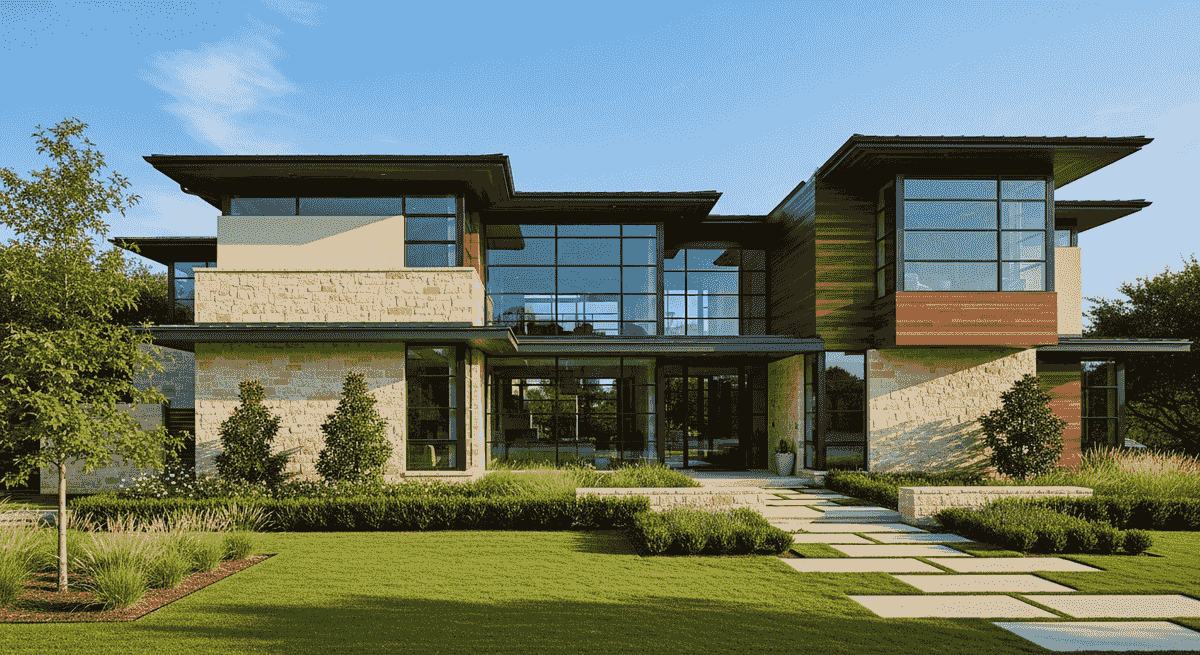
Seller Incentives Austin: Effective Concessions and Negotiation Strategies to Sell Home Fast in a Buyer's Market

Selling a home in Austin's fluctuating market often requires more than just competitive pricing and good presentation. Seller incentives and concessions have become essential tools for attracting buyers and speeding up sales, especially when the market favors the buyer. These incentives can range from covering closing costs to offering repair credits, making the deal more appealing without lowering the home's listed price directly.
In a buyer's market like Austin can be at times, negotiating seller concessions allows sellers to stand out and close deals faster. Understanding when and how to use these incentives strategically can give sellers an edge, even when inventory is high and buyer demand varies by neighborhood. Successful negotiations hinge on offering the right concessions that deliver value to buyers while maintaining seller goals.
Knowing which incentives work best and when to deploy them can help sellers navigate the complexities of Austin's real estate scene efficiently. With proper planning and negotiation, sellers can turn concessions into powerful tools that facilitate quicker, smoother transactions without unnecessary financial sacrifice.
Key Takeaways
- Effective seller incentives help homes stand out and sell faster in competitive markets
- Strategic concessions allow sellers to attract buyers while protecting their financial interests
- Timing and negotiation skills are critical to maximizing the benefits of seller incentives
Understanding Seller Incentives in Austin
Seller incentives in Austin are strategic tools used to attract buyers and accelerate sales. These incentives address specific market conditions, such as fluctuating demand and buyer competition, to make properties more appealing and improve negotiation outcomes.
Definition and Purpose of Seller Incentives
Seller incentives are concessions or benefits offered by the seller to the buyer to facilitate a home sale. Their main purpose is to reduce buyer costs or add value, encouraging quicker decisions in transactions.
In Austin's competitive and sometimes variable market, incentives help sellers stand out. They are especially useful when homes sit longer on the market or when buyer demand weakens. Providing incentives can also help sellers achieve a favorable sales price by making offers more attractive without lowering the listing price.
Popular Incentive Types in the Austin Market
Common seller incentives in Austin include paying closing costs, offering home warranties, and including appliances or furniture. Closing cost assistance is highly valued since it lowers the buyer's upfront expenses.
Other incentives are price reductions contingent on appraisals or home repairs covered by the seller. Less common but effective offers may include flexible move-in dates or seller financing options to ease purchase hurdles. These options create appeal across different buyer segments and [can speed up the selling process](/blog/selling-house-asap-texas-urgent-solutions-homeowners).
Sell Home Fast in Austin With Strategic Concessions
Sellers in Austin often use concessions to make their homes stand out and close deals faster. These incentives can cover various buyer expenses and are especially useful when the market favors buyers. Knowing when and how much to offer can directly impact the speed and success of a sale.
What Are Seller Concessions?
Seller concessions are incentives offered by the seller to cover certain buyer costs. These typically include closing costs, home inspection fees, or appraisal expenses. Rather than lowering the listing price, concessions help reduce the buyer's upfront expenses, making the offer more appealing.
Concessions are negotiated during the offer stage and can be a flexible tool. They work to "sweeten the deal," particularly in neighborhoods or price ranges where buyer demand is softer. This strategy can be vital in Austin's variable market, where demand fluctuates by location and price point.
When to Offer Concessions for Speedy Sales
Concessions become most effective in a buyer's market, where supply exceeds demand. In such conditions, buyers have more options and sway to request credits or payments toward their costs. Offering concessions can differentiate a home and encourage quicker offers.
In highly competitive areas of Austin, concessions are less frequently needed if the home is priced well and presented correctly. However, if selling quickly is a priority or the home needs repairs, concessions can help close faster by easing the buyer's financial burden.
Determining the Right Amount for Concessions
Typically, seller concessions range between 2% to 6% of the home's sale price, but this depends on local market conditions and negotiations. Sellers should consider current closing cost averages in Austin, which often fall between 2% and 5%.
Deciding how much to offer requires balancing the incentive against the net proceeds. Sellers are advised to consult with real estate professionals who understand Austin's market trends to set concessions at a competitive yet reasonable level, enhancing the home's appeal without unnecessarily eroding profits.
Negotiating Successfully in a Buyer's Market in Austin
In Austin's buyer's market, sellers must adapt to a shift in power by focusing on strategies that attract serious buyers while maintaining flexibility. Buyers have more options and leverage, prompting sellers to consider concessions and clear communication carefully.
Key Negotiation Strategies for Sellers
Sellers should set realistic asking prices aligned with current market trends to avoid deterring potential buyers. Overpricing homes in Austin's market leads to longer time on market and fewer offers.
Offering incentives, such as covering closing costs or including appliances, can make listings more attractive without significantly reducing the sale price. Sellers benefit from highlighting the home's unique features and neighborhood advantages to justify value.
Timing responses to offers is essential; sellers should avoid delays that could cause buyers to lose interest. Clear, straightforward communication helps maintain buyer engagement and trust.
Understanding Buyer Advantages
Buyers in Austin currently face increased inventory, giving them greater choice and negotiation power. They often expect price reductions, repairs, or seller concessions.
In this environment, buyers can request contingencies like inspection or appraisal clauses to protect their interests. Homes generally stay longer on the market, allowing buyers to negotiate from a position of strength.
This shift challenges sellers to be open to compromise and to anticipate buyer demands during negotiations. A knowledgeable seller can use these buyer advantages as a guide to structure competitive offers and concessions.
Responding to Buyer Requests and Offers
Sellers should evaluate each buyer's offer based on price, contingencies, and closing timeline. Accepting reasonable requests promptly increases the chance of a successful sale.
In Austin, common buyer concessions include assistance with closing costs, home warranty coverage, or minor repairs. Sellers must balance concession costs against the benefits of a quick sale.
Counteroffers should be clear and focused, avoiding unnecessary concessions that reduce seller value. A strategic, professional response often leads to smoother negotiations and satisfied parties.
Types of Seller Incentives Most Effective in Austin
Austin sellers often use specific incentives to attract buyers and speed up the sale. These incentives reduce buyers' immediate costs or add value to the purchase, making the home stand out in a competitive market.
Home Warranty Coverage
Offering home warranty coverage is a common incentive that appeals to buyers concerned about future repair costs. A home warranty covers major systems and appliances like HVAC, plumbing, and electrical for a set period, usually one year after closing.
This coverage provides buyers peace of mind by reducing the risk of unexpected expenses. Since Austin homes often face wear from seasonal changes, warranties make newer and older homes equally attractive. Sellers typically pay $300 to $600 for this coverage, which can be a minor cost compared to the boost in buyer confidence.
Closing Cost Contributions
Contributing to closing costs is one of the most direct financial incentives sellers use in Austin. This contribution can cover expenses such as loan origination fees, title insurance, and appraisal fees, which typically add up to 2-5% of the sales price.
By offering closing cost assistance, sellers lower the buyer's upfront cash needed, which can be especially effective in a buyer's market where affordability is a key concern. This incentive can be negotiated as a fixed amount or a percentage and is often combined with other offers to close a deal faster without reducing the sale price.
Prepaid Home Services
Prepaid home services involve sellers paying for services buyers would need soon after moving in, such as lawn care, pool maintenance, or security system subscriptions. This type of incentive adds convenience and value without affecting the home's price.
In Austin, where outdoor spaces are highly valued, prepaid yard maintenance or irrigation system checks can be significant draws. Sellers can offer between one and six months of prepaid services, which lowers the buyer's immediate expenses and eases the transition into the new home. This incentive also signals the seller's commitment to upkeep, often increasing buyer confidence.
Timing Your Seller Incentives for Maximum Impact
Seller incentives work best when deployed strategically during key moments in the home-selling process. Proper timing helps attract buyers, maintain interest, and strengthen negotiating positions in Austin's competitive market.
Incentive Timing During the Listing Process
Offering incentives early, right at the listing stage, can differentiate a home in Austin's crowded market. Sellers often use incentives like closing cost assistance or home warranty coverage to generate immediate buyer interest.
These incentives should be clearly highlighted in marketing materials and listing descriptions to draw attention quickly. Early incentives encourage showings and create urgency among buyers, which can reduce days on market.
However, incentives at this stage must be balanced carefully to avoid undervaluing the property. A well-chosen incentive can boost initial offers without cutting too deeply into the final sale price.
Incentives at the Offer and Negotiation Stage
In Austin's buyer's market, incentives often play a critical role during offers and negotiations. Sellers can use concessions as bargaining chips to close deals faster or compete with other listings.
Common incentives include covering inspection repairs, offering flexible closing dates, or providing credits for appraisal shortfalls. These allow sellers to respond to buyer requests without lowering the listing price.
Timing here is key: holding back some incentives until the negotiation phase keeps the seller's position strong and allows adjustments based on buyer feedback.
Evaluating the Cost-Benefit of Seller Concessions
Seller concessions in Austin represent a strategic trade-off between immediate expenses and market competitiveness. Understanding how these concessions affect overall sale proceeds, regional pricing trends, and potential pitfalls helps sellers make informed decisions.
Impact on Net Proceeds
Seller concessions directly reduce the seller's net proceeds since part of the sale price is allocated to cover the buyer's costs, such as closing fees or repairs. For instance, agreeing to 3% concessions on a $400,000 home lowers the seller's effective receipt by $12,000.
However, offering concessions can facilitate a quicker sale in Austin's buyer-driven market, potentially preventing price reductions and extended listing periods. Sellers must calculate whether the concession amount is less costly than the price drops or carrying costs of prolonged market time.
Balancing concessions against net proceeds requires clear projections of local transaction timelines and an honest assessment of how much buyers demand financial assistance to close.
Market Comparisons in Austin
Austin's real estate market often shifts between seller's and buyer's market dynamics, impacting concession trends. In recent buyer-favorable conditions, concessions have become more common to attract offers.
Typical concessions in Austin range from 2% to 4% of the home price, primarily to cover closing costs or minor repair credits. Sellers who omit concessions may face fewer offers or longer days on market.
Comparing concessions in similar neighborhoods with comparable home values helps sellers set competitive terms. Real estate agents familiar with the Austin market can provide data on average concessions to benchmark offers accurately.
Potential Risks and Limitations
Offering concessions might discourage buyers expecting a lower purchase price directly instead of closing cost help, limiting negotiation flexibility. It also could signal seller urgency, potentially weakening their bargaining position.
Some mortgage lenders cap seller concessions, particularly for higher loan-to-value loans. This could complicate financing for buyers if concessions exceed allowed limits.
Sellers should also consider the tax implications of transferring certain costs and the risk that concessions might not guarantee a faster sale, especially in fluctuating market conditions.
Legal and Contractual Considerations for Seller Incentives
Seller incentives in Austin must comply with specific legal and contractual rules to avoid issues during the home sale process. Understanding proper disclosure and local regulations protects both buyers and sellers from potential disputes or delays.
Disclosure Requirements
Sellers in Austin must fully disclose any incentives or concessions offered to buyers as part of the home sale agreement. This includes clearly stating the amount or type of seller contribution in the purchase contract.
Failure to disclose seller incentives can lead to contract disputes or affect the loan approval process. Lenders require accurate documentation of concessions, as undisclosed incentives may impact the buyer's loan terms and property appraisal.
Real estate agents often guide sellers in documenting incentives transparently to comply with state laws and lender requirements. Proper disclosure helps maintain buyer trust and ensures all parties follow legal guidelines.
Local Regulations Affecting Incentives
Austin's real estate market is subject to Texas state laws and local ordinances that influence how seller incentives can be applied. For example, certain incentives may be capped or regulated depending on the type of loan the buyer obtains.
Some loan programs, such as FHA or VA loans, have strict limits on seller concessions, often capping them at a percentage of the purchase price. Sellers must be aware of these limits to avoid invalidating the buyer's financing.
Austin sellers should consult with real estate professionals or attorneys to understand how local market conditions and regulations shape acceptable incentives. Being informed helps sellers offer competitive terms without violating legal boundaries.
Expert Tips for Austin Home Sellers
Successful selling in Austin requires strategic use of professional support and understanding shifting market conditions. Tailoring seller incentives and negotiating approaches to current trends can help secure faster sales and better offers.
Working with Real Estate Professionals
Austin sellers benefit from partnering with experienced agents who know local market dynamics. Skilled agents provide accurate home pricing based on recent sales and neighborhood data, reducing the risk of overpricing or underselling.
Agents also coordinate marketing efforts using online platforms and [target cash buyers](/blog/cash-home-buyer-vs-realtor-texas-comparison) to increase property exposure. They assist in managing showings, evaluating offers, and handling legal aspects, ensuring a smooth selling process.
A knowledgeable agent advises on effective concession strategies, such as offering closing cost credits or repair allowances, which can attract buyers without significantly cutting the sale price.
Adjusting Incentives Based on Market Trends
In a buyer's market like Austin's current environment, sellers must be flexible with concessions to stay competitive. Popular incentives include seller-paid closing costs, home warranty coverage, and minor repair credits.
Data-driven pricing adjustments help balance the need to sell quickly against [maximizing profit](/blog/maximize-offer-sell-texas-home-cash-expert-strategies). If homes linger on the market, increasing incentives or lowering prices incrementally often sparks renewed interest.
It's essential to monitor local inventory levels and buyer demand regularly. When demand drops, incentives tend to become more necessary, but in a hot market, minimal concessions might suffice to close the deal swiftly.
Common Mistakes to Avoid When Using Seller Incentives
One frequent mistake is offering incentives too early in the selling process. This can reduce the perceived value of the home and may attract buyers only interested in the perks, not the property itself.
Another error is overusing incentives to compete in a buyer's market without considering the financial impact. Sellers should calculate how much they can afford to concede without hurting their net proceeds.
Failing to clearly communicate incentives in the offer or listing can create confusion with buyers and agents. Transparency is critical to avoid misunderstandings during negotiations.
Sellers sometimes neglect market conditions and offer incentives that are either too small to attract buyers or unnecessarily large, which lowers profit.
Using incentives without a strategy may backfire. Sellers should align offers with realistic market data and seller goals. Avoiding these pitfalls ensures incentives remain a useful tool for selling homes quickly in Austin's competitive market.
Conclusion
Seller incentives play a crucial role in Austin's current real estate climate. With the market shifting toward more balance, sellers often need to consider concessions or perks to attract serious buyers.
Offering concessions like covering closing costs or providing financial assistance can make a property more appealing without lowering the listed price. These incentives help differentiate homes in a market where buyers now have more options.
Negotiating in a buyer's market requires a strategic approach. Sellers who are flexible and willing to offer reasonable incentives tend to close deals faster. It also builds goodwill, which can lead to smoother transactions.
A clear understanding of local market trends and buyer preferences is essential. Sellers should monitor neighborhood activity and work with knowledgeable agents to tailor their offers effectively.
In summary, seller incentives are practical tools in Austin's balanced market. When thoughtfully applied, they increase the likelihood of a faster sale and better overall outcomes for sellers.
Ready to sell your Austin home fast without the hassle of incentives and negotiations? [Get your guaranteed cash offer today](/)
Call us anytime at (512) 769-2292 or email us at info@webuyctx.com for expert guidance on maximizing your cash home sale!